
Home › Free Tests › 16 Paths
Free personality test
16 Paths: Discover Your 4-Letter Personality Code
Based on Jungian typology, the 16 Paths describe distinct personality patterns that shape how you take in information, make decisions and engage with the world. Discover your four-letter code with one free assessment.
Free · 60 questions · About 10 minutes · No sign-up needed

How it works
16 Paths. 4 Letters. 1 You.
Your type is built from four pairs of preferences. Each letter shows which side of a pair comes more naturally to you. Neither side is better or worse; together, the four letters describe one of 16 distinct paths.
E / I · Polarization
Where you direct your energy
Extraversion or Introversion →
S / N · Perception
How you take in information
Sensing or Intuition →
T / F · Analysis
How you make decisions
Thinking or Feeling →
J / P · Adaptation
How you approach the world
Judging or Perceiving →
Personalized results, not a form letter
Most online tests give everyone with the same four letters the same canned paragraph. Your interpretation is written for your exact result, so it reflects how strongly you lean on each of the four dimensions, not just which letters you landed on.
The four dimensions
Which side of each pair sounds like you?
Read through each pair and notice which description feels more natural. Most people use both sides at times, but one usually feels like home.
E·I
Dimension 1 · Polarization
Are you outwardly or inwardly focused?
In physics, polarization describes a wave that vibrates in one direction. Here it describes the direction of your psychological energy: whether your attention is naturally drawn out toward the world or in toward your own thoughts.
E · Extraversion
External polarization: energy flows outward and is recharged by people, activity and the world around you.
- Often described as talkative or outgoing
- Enjoy a fast-paced environment
- Work out ideas with others and think out loud
- Comfortable being the center of attention
I · Introversion
Internal polarization: energy is self-contained and directed inward, toward thoughts, reflections and ideas.
- Often described as reserved or private
- Prefer a slower pace with time to reflect
- Think things through inside your head
- Would rather observe than be the center of attention
S·N
Dimension 2 · Perception
How do you prefer to take in information?
Perception is used broadly in psychology. Here it describes the nature of how you process information, shifting the focus from what you sense to how you make sense of it.
S · Sensing
Concrete perception: gathering information through the senses, focused on tangible, explicit and measurable realities.
- Focus on the reality of how things are
- Pay attention to concrete facts and details
- Prefer ideas that have practical applications
- Describe things in a specific, literal way
N · Intuition
Abstract perception: gathering information through patterns, focused on hidden connections, meanings and implications.
- Imagine the possibilities of how things could be
- Notice the big picture and how everything connects
- Enjoy ideas and concepts for their own sake
- Describe things in a figurative or poetic way
T·F
Dimension 3 · Analysis
How do you prefer to make decisions?
In Jung’s work, “Feeling” is often mistaken for emotion. Analysis reframes this pair as two equally rational, yet fundamentally different, ways of weighing a decision.
T · Thinking
Systemic analysis: weighing information through impersonal cause and effect, structure and logic.
- Make decisions impersonally, using logic and reasoning
- Value justice and fairness
- Enjoy finding the flaws in an argument
- Often described as reasonable or level-headed
F · Feeling
Humanistic analysis: weighing information through personal values, relationships and the impact on people.
- Base decisions on personal values and how they affect others
- Value harmony and forgiveness
- Like to please others and see the best in people
- Often described as warm and empathetic
J·P
Dimension 4 · Adaptation
How do you prefer to live your life?
This final pair describes how you adapt to a changing environment: whether you prefer to organize it ahead of time or respond to it as it unfolds.
J · Judging
Proactive adaptation: managing your environment in advance through structure, planning and closure.
- Prefer to have matters settled
- Think rules and deadlines should be respected
- Like detailed, step-by-step instructions
- Make plans and want to know what you are getting into
P · Perceiving
Reactive adaptation: responding to change in real time through flexibility, improvisation and keeping options open.
- Prefer to keep your options open
- See rules and deadlines as flexible
- Like to improvise and figure things out as you go
- Spontaneous; enjoy surprises and new situations
The assessment
Take the 16 Paths test
60 questions, about 10 minutes. A free assessment to map your conscious traits and unlock your subconscious potential. Answer honestly and go with your first instinct; there are no right or wrong answers.
The 16 types
Explore the 16 personality types
Each type is a different combination of the four preferences. Choose any type to explore its traits, cognitive functions, careers, relationships and growth.
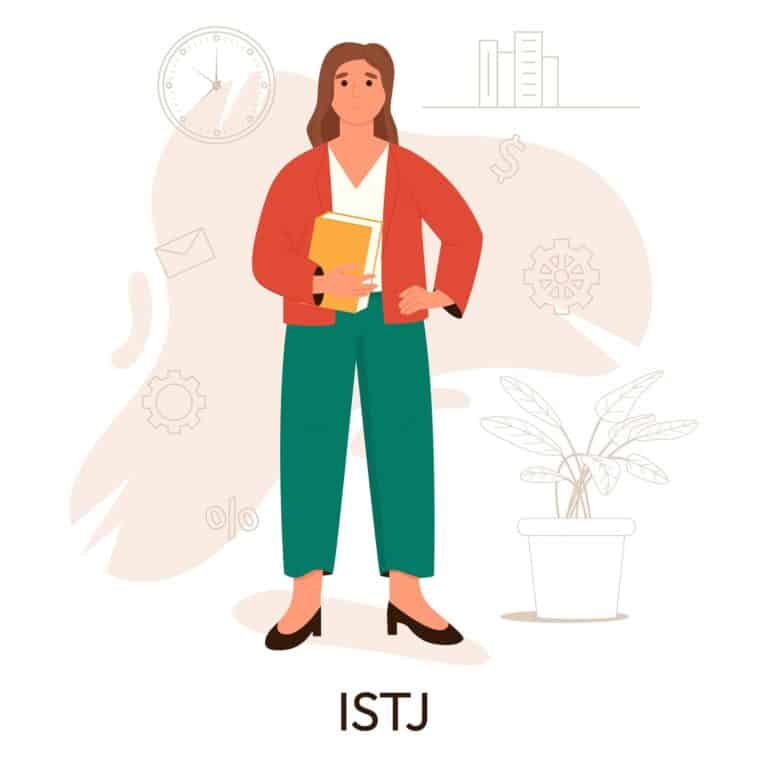
ISTJ · The Inspector
Practical, dependable and detail-oriented. ISTJs value structure, responsibility and proven methods, follow through on commitments and bring stability to work and relationships.
Explore ISTJ →
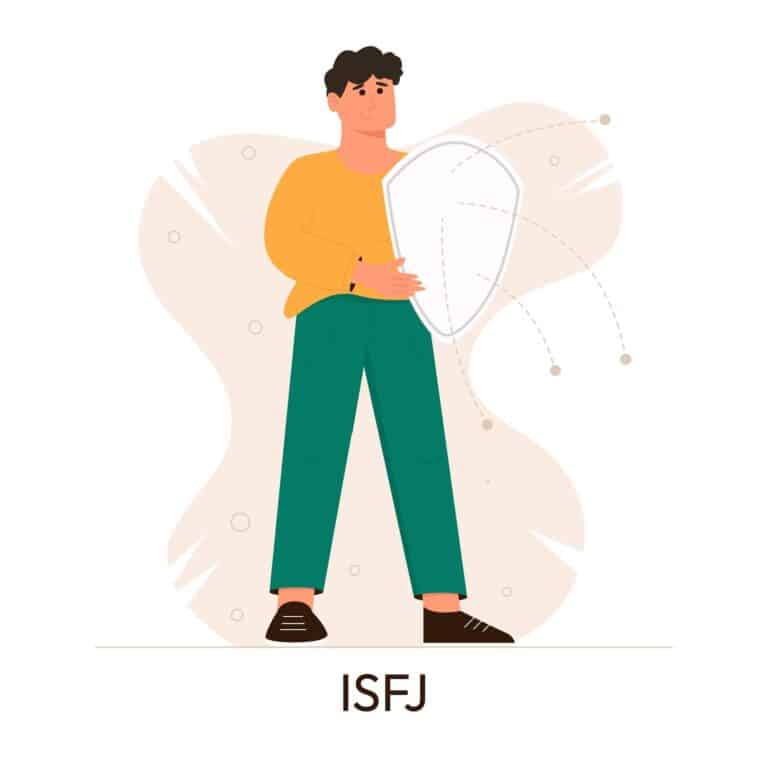
ISFJ · The Protector
Thoughtful, loyal and attentive to practical needs. ISFJs show care through helpful actions, remember what matters to others and value harmony and stability.
Explore ISFJ →
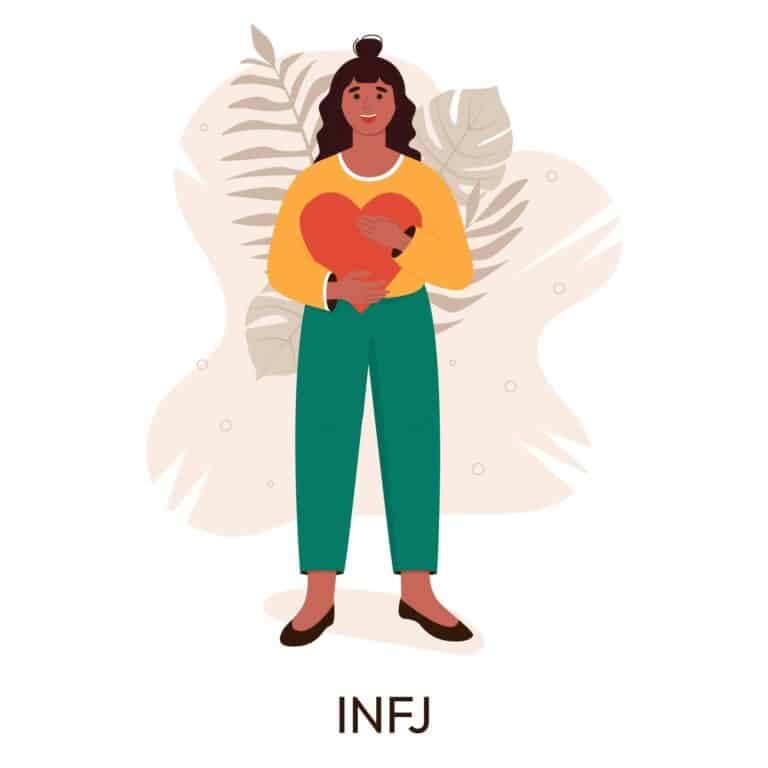
INFJ · The Counselor
Insightful, empathetic and guided by strong values. INFJs notice emotional nuance, seek meaningful connection and enjoy helping others imagine better possibilities.
Explore INFJ →
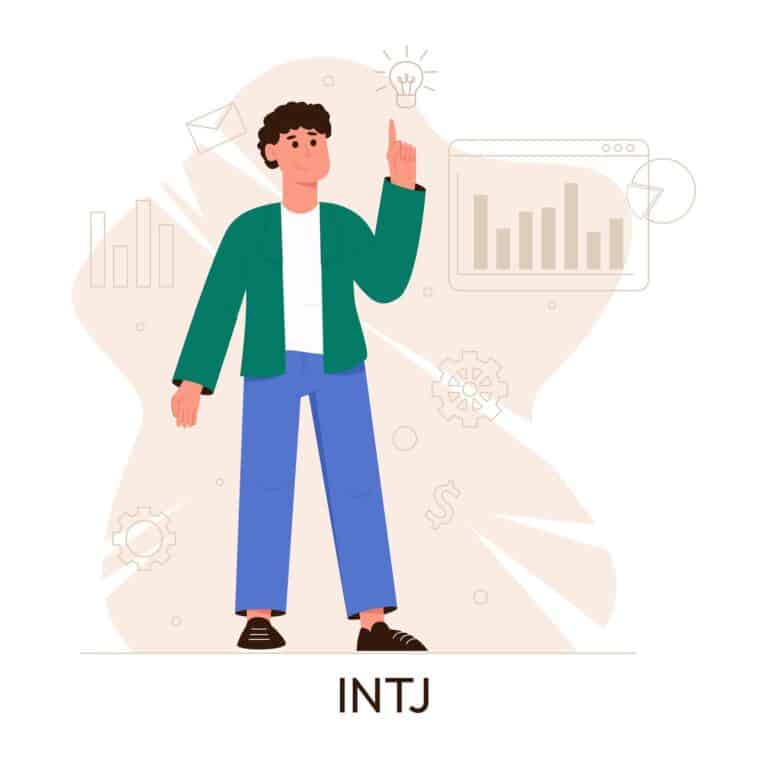
INTJ · The Mastermind
Strategic, independent and driven by long-term goals. INTJs enjoy solving complex problems and improving systems, and they value competence, logic and autonomy.
Explore INTJ →

ISTP · The Craftsman
Practical, observant and independent. ISTPs love understanding how things work, solve problems hands-on and stay calm under pressure.
Explore ISTP →

ISFP · The Artist
Gentle, observant and independent. ISFPs value freedom, authenticity and beauty, express care through actions and prefer living in the present.
Explore ISFP →
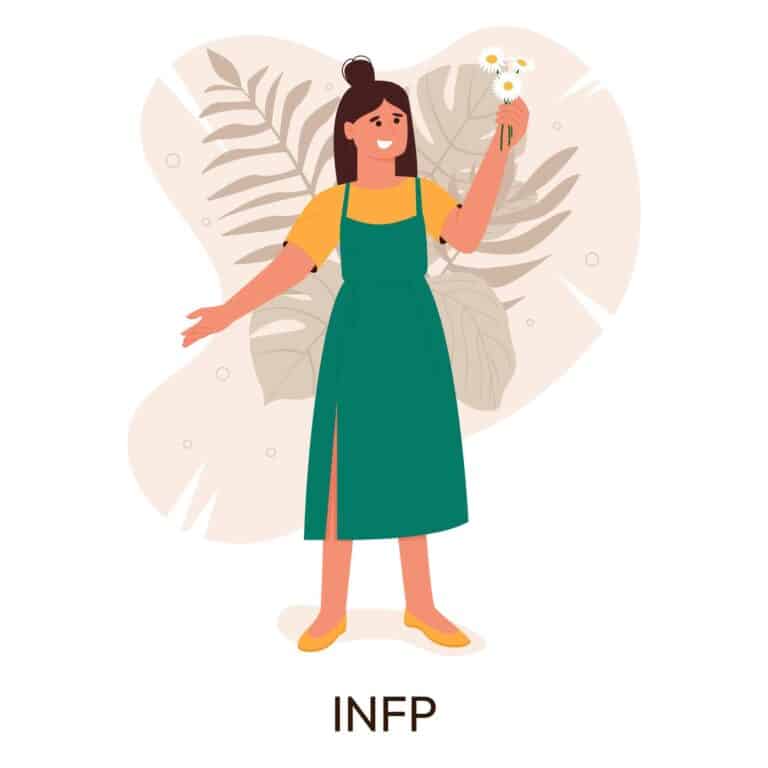
INFP · The Idealist
Introspective, compassionate and guided by deeply held values. INFPs have vivid imaginations and seek meaningful connections and work that feels authentic.
Explore INFP →
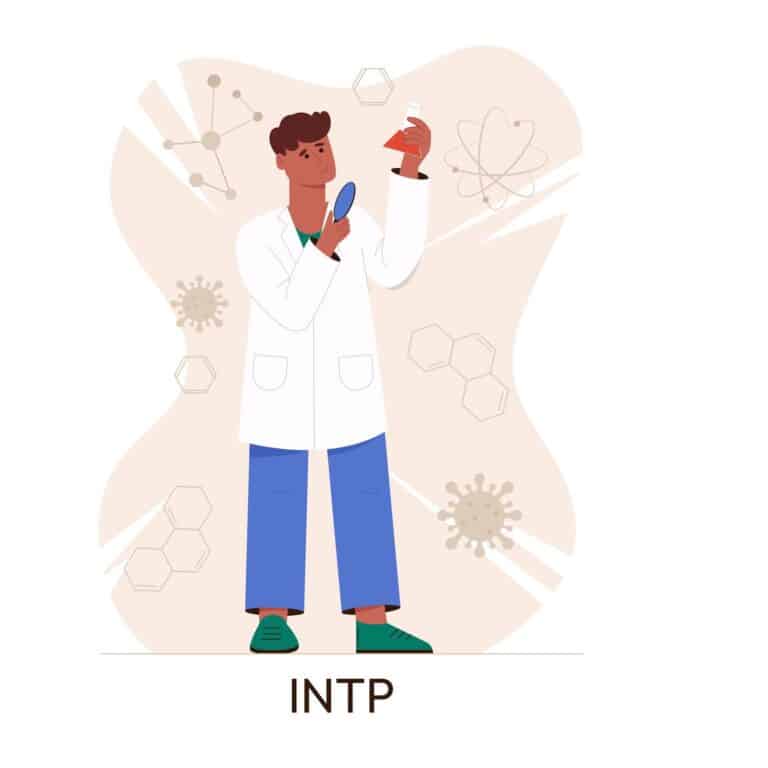
INTP · The Thinker
Curious, analytical and open-minded. INTPs love exploring ideas, solving complex problems and questioning assumptions, and they value intellectual freedom.
Explore INTP →
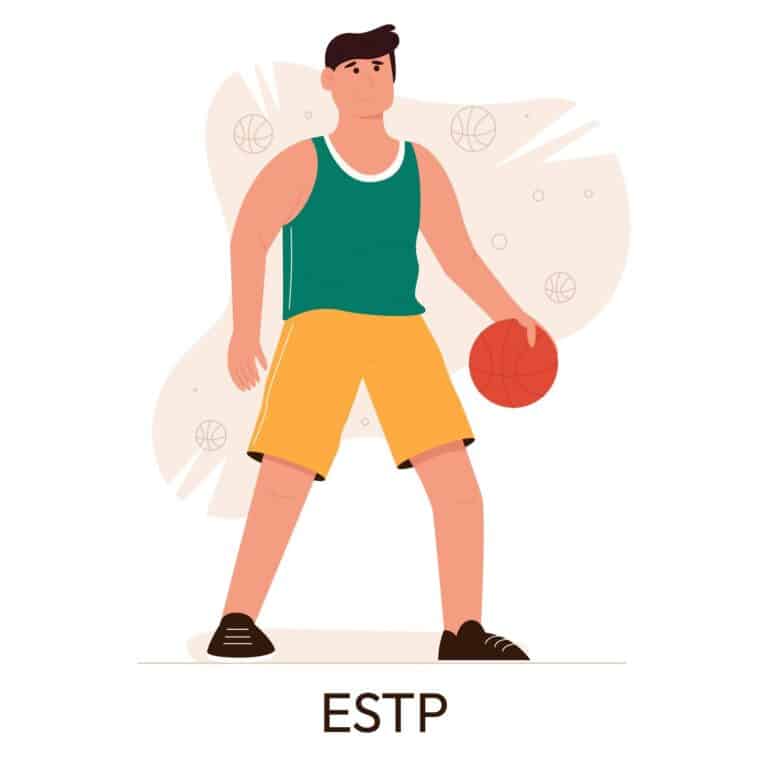
ESTP · The Maverick
Energetic, practical and action-oriented. ESTPs thrive on excitement, solve problems quickly and respond to challenges in real time.
Explore ESTP →
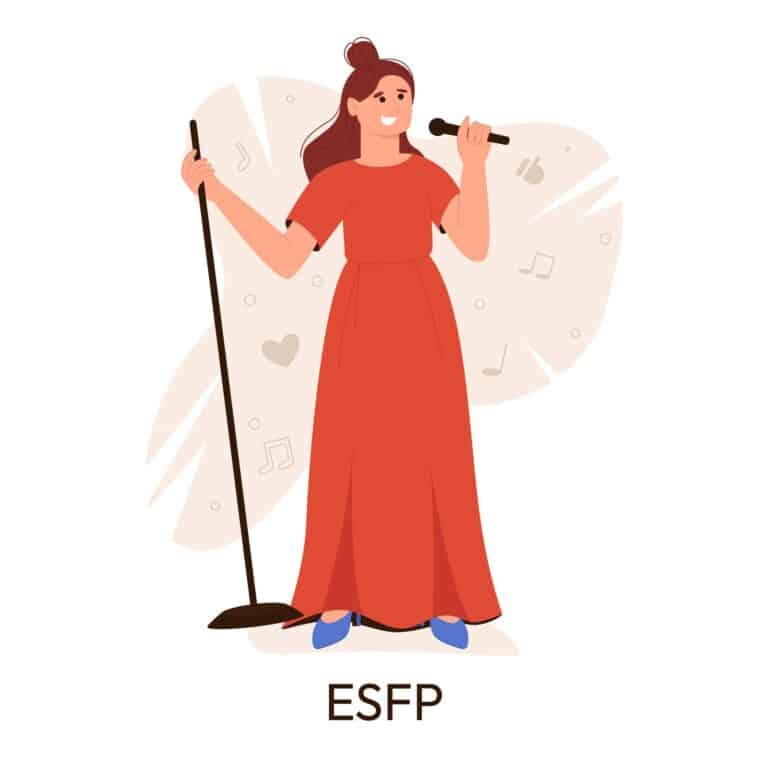
ESFP · The Performer
Sociable, spontaneous and warm. ESFPs love connecting with people, living in the moment and turning ordinary experiences into fun.
Explore ESFP →
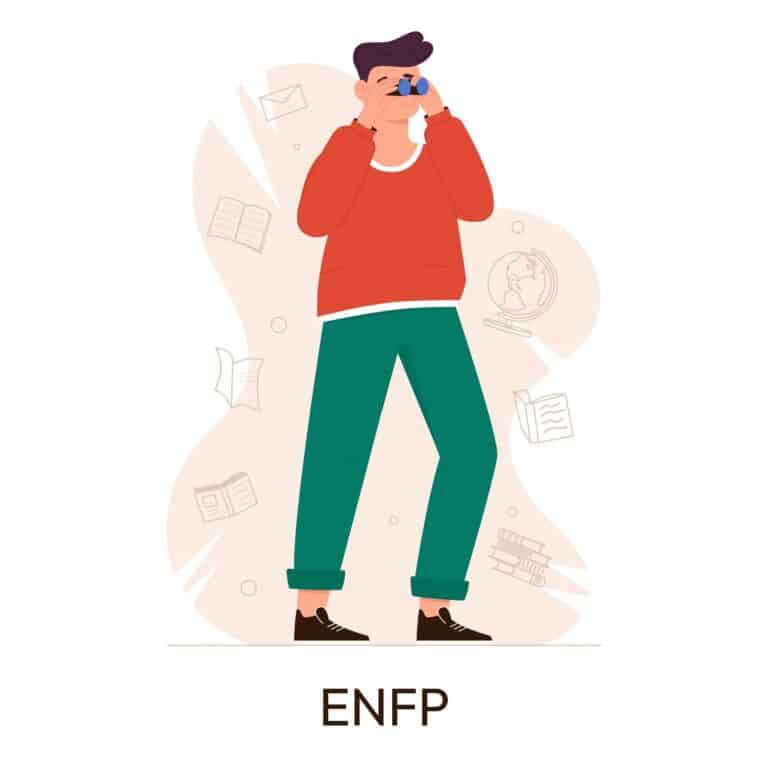
ENFP · The Champion
Energetic, imaginative and people-focused. ENFPs love new ideas and encouraging others, bringing warmth, creativity and contagious enthusiasm.
Explore ENFP →
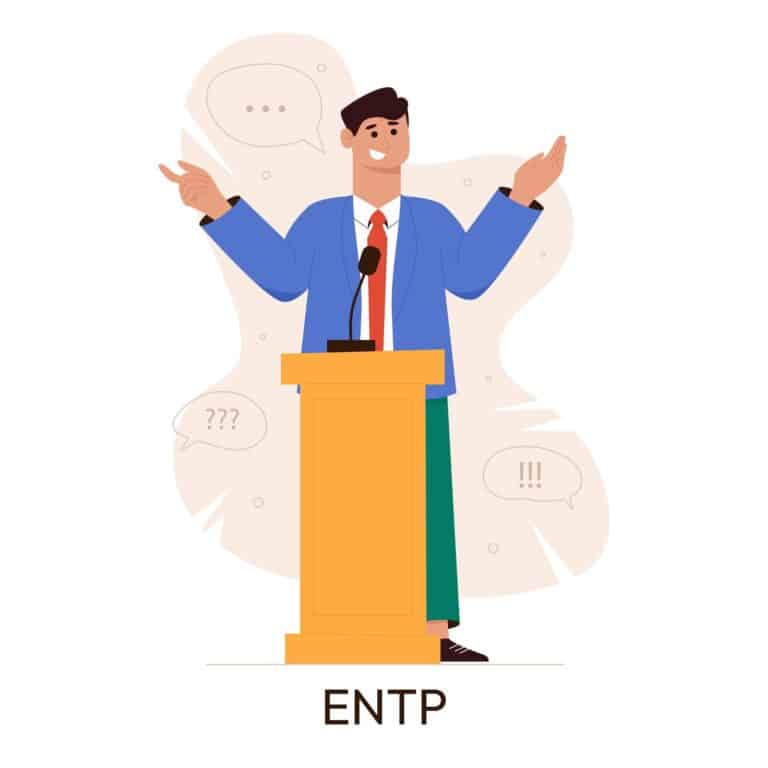
ENTP · The Visionary
Curious, quick-witted and energized by new ideas. ENTPs enjoy challenging assumptions, debating possibilities and solving problems creatively.
Explore ENTP →
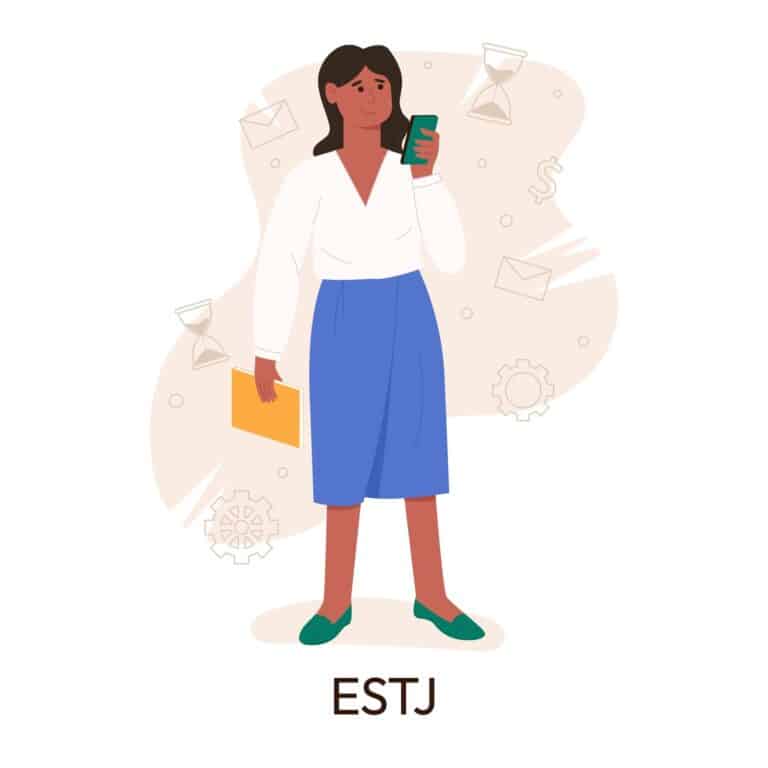
ESTJ · The Supervisor
Practical, organized and decisive. ESTJs value structure and clear standards, often taking charge to get things done reliably and efficiently.
Explore ESTJ →
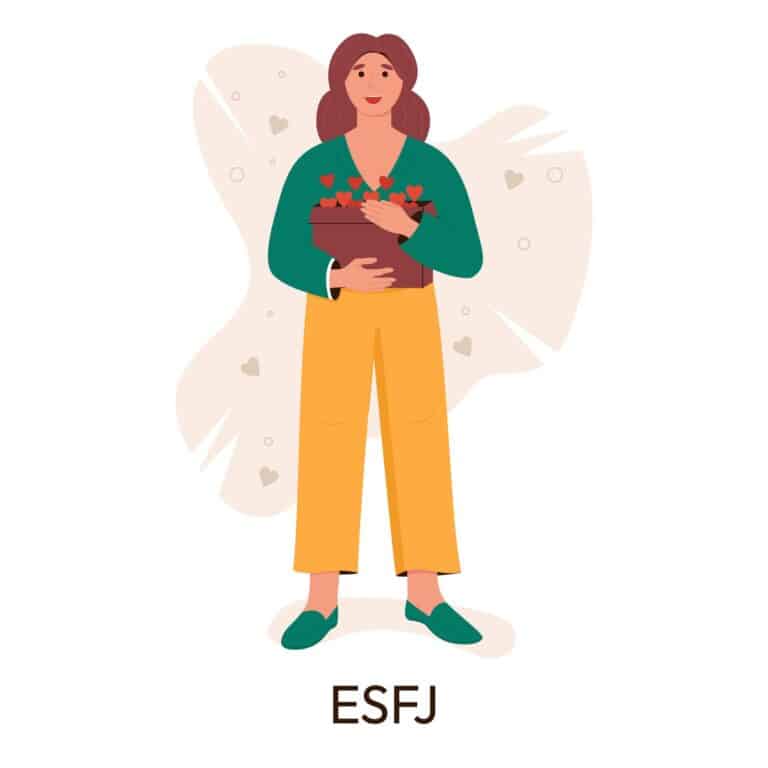
ESFJ · The Provider
Warm, sociable and attentive. ESFJs bring people together through practical help and thoughtful care, and they thrive in supportive groups.
Explore ESFJ →

ENFJ · The Teacher
Warm, empathetic and people-focused. ENFJs naturally inspire, organize and encourage others, and they value harmony and meaningful relationships.
Explore ENFJ →
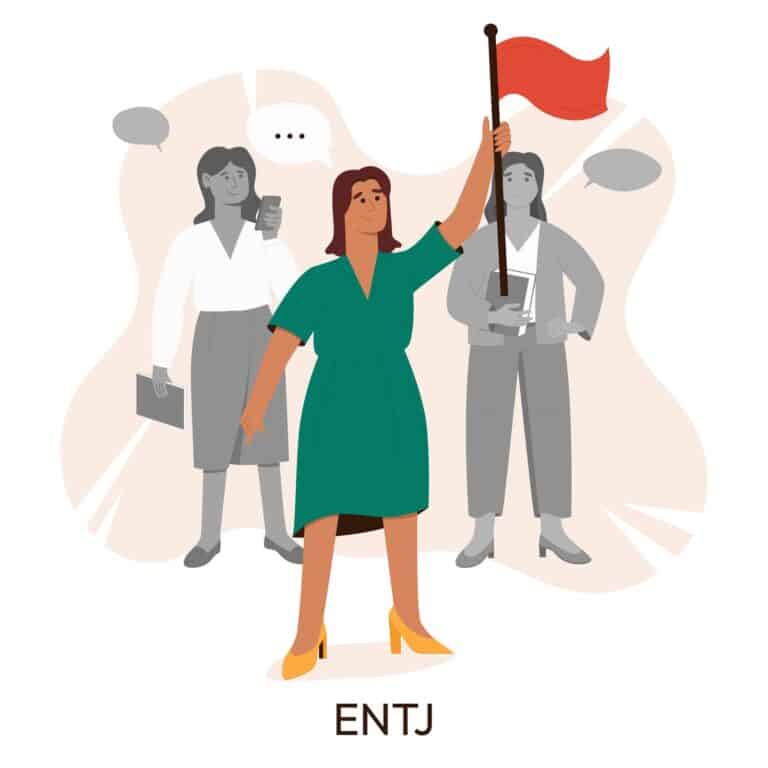
ENTJ · The Director
Decisive, strategic and goal-oriented. ENTJs take charge, organize people and resources, and turn ambitious plans into measurable results.
Explore ENTJ →
FAQ
Common questions about 16 Paths
How many questions are there, and how long does it take?
The 16 Paths test has 60 questions, and most people finish in about 10 minutes.
Is the 16 Paths test free?
Yes. The 16 Paths assessment is completely free, including your personalized interpretation, and you do not need to create an account to take it.
What do I get at the end of the test?
Not a form letter. As soon as you finish, you get an instant interpretation written for your exact result, reflecting how strongly you lean on each of the four dimensions rather than just your four letters.
What do the four letters in my result mean?
Each letter shows which way you lean on one of four dimensions: where you focus your energy (Extraversion or Introversion), how you take in information (Sensing or Intuition), how you make decisions (Thinking or Feeling), and how you approach structure (Judging or Perceiving). Together they form one of 16 four-letter types.
How accurate is the 16 Paths test?
It is a self-report questionnaire, so your result reflects how you see yourself when you answer. It is a tool for self-reflection, not a clinical or scientific measurement. Answer for how you usually are rather than how you would like to be, and treat a close call between two letters as a reason to read both descriptions.
How does 16 Paths compare with other assessments based on Jung’s theory?
16 Paths and the Myers-Briggs Type Indicator® (MBTI®) assessment are based on the same source material: Carl Jung’s theory of psychological types. The MBTI® is a proprietary, paid assessment published by The Myers-Briggs Company. 16 Paths is an independent questionnaire from Hypnotechs, with its own questions and interpretations, and it is completely free. 16 Paths is not affiliated with or endorsed by The Myers-Briggs Company or The Myers & Briggs Foundation.
Is 16 Paths the same as the Big Five?
No. They come from different traditions and measure different things, so a result on one does not translate into the other. Some people enjoy taking both to see how each describes them, but neither is a substitute for the other.
How can I save my results?
Your results appear on screen when you finish, so take a screenshot. If you enter an email address on the email step near the end of the quiz, a copy is also sent to it. That step is your only chance to add one, and without an email your results can’t be recovered. See Where are my quiz results?
Can my personality type change?
Core preferences tend to be fairly stable, but how you express them develops with age, experience and circumstance. If a result feels close between two letters, read both type descriptions and see which fits you best.
Is one personality type better than another?
No. Each of the 16 types has its own strengths and its own blind spots, and none is more desirable, healthier or more successful than another. Your type describes a preferred way of operating, not your ability or your worth.
How should I use my results?
Use your type as a starting point for self-reflection, not as a label or a limit. It can help you understand your strengths, communicate better with others and notice blind spots worth working on. It is not a clinical or diagnostic tool.
Ready to find your path?
Take the free 16 Paths test and discover your four-letter type. No sign-up needed.
16 Paths is an independent assessment created by Hypnotechs, based on Carl Jung’s published theory of psychological types. It is not the Myers-Briggs Type Indicator® (MBTI®) assessment and is not affiliated with, sponsored by or endorsed by The Myers-Briggs Company or The Myers & Briggs Foundation. Myers-Briggs Type Indicator® and MBTI® are trademarks or registered trademarks of The Myers & Briggs Foundation, Inc. 16 Paths is designed for self-reflection and education, not for clinical, diagnostic or hiring decisions.